


Book an Appointment For Consultation
Urology & Kidney Specialist Care · Gwalior

Advanced Urology & Kidney Care in Gwalior

Expert evaluation, diagnosis and treatment for kidney, urinary tract, bladder, prostate and other urological conditions — delivered with precision and compassion.

Expert Urology Care Kidney & Stone Treatment
Patient-Centred Approach Modern Diagnostics
Pashupatinath Hospital Gwalior — Urology and Kidney Care Centre
Timely Diagnosis
Compassionate Care
Expert Urology Care
Kidney & Stone Treatment
Patient-Centred Approach
Modern Diagnostics
Personalised Treatment
About Pashupatinath Hospital

Specialist care, built around the patients

Pashupatinath Hospital is a specialized centre for urology and kidney care in Gwalior, founded by Dr. Deepanshu Sharma, we diagnose and treat conditions of the kidneys, urinary tract, bladder, and prostate with modern medical expertise. Our patient-first approach focuses on personalized care, safety and comfort.

01

Accurate Diagnosis

Careful clinical evaluation before any treatment decision.

02

Timely Treatment

Prompt attention to urological symptoms and kidney concerns.

03

Personalised Planning

Treatment approaches considered around each patient's condition.

Learn More About Us
Dr. Deepanshu Sharma — Founder Director and Consultant Urologist at Pashupatinath Hospital Gwalior Director
Why Choose Us

Focused specialist care for urology & kidney health

Specialist Focus

Dedicated attention to urology, kidney and urinary tract conditions.

Modern Diagnostics

Clinical evaluation to accurately identify the underlying condition.

Compassionate Care

A patient experience built on respect, clarity and comfort.

Personalised Plans

Treatment approaches considered around each patient's individual condition.

Our Services

Urology & Kidney Care Services

Comprehensive evaluation, accurate diagnosis, and personalized treatment for a wide range of urological and kidney-related conditions, providing expert, compassionate care tailored to every patient’s individual needs.

General Urology

Consultation and evaluation for a wide range of urological concerns.

Kidney Stone Management

Evaluation and treatment planning for kidney stone conditions.

Prostate Care

Assessment and management of prostate-related symptoms.

Bladder Problems

Diagnosis and care for bladder function and related conditions.

Urinary Tract Conditions

Evaluation of urinary tract symptoms and infections.

Male Urological Health

Focused consultation for male urological concerns.

View All Services
Conditions We Treat

Common urological & kidney symptoms

If you're experiencing any of the following, a specialist evaluation can help identify the cause.

Kidney Stones

Pain, discomfort or diagnosed stones in the kidney or urinary tract.

Frequent Urination

Needing to urinate more often than usual, including at night.

Burning Urination

Discomfort or a burning sensation while passing urine.

Urinary Retention

Difficulty fully emptying the bladder.

Interrupted Urine Flow

A weak or interrupted stream while urinating.

Prostate Problems

Symptoms related to prostate enlargement or discomfort.

Blood in Urine

Any visible or detected blood in the urine warrants evaluation.

Bladder Problems

Pain, pressure or irregular bladder function.

These are general educational categories. Please consult our specialists for proper evaluation rather than self-diagnosis.

Our Doctors

Meet Our Specialists

Dr. Deepanshu Sharma — Consultant Urologist at Pashupatinath Hospital Gwalior Pashupatinath Gwalior

Dr. Deepanshu Sharma

Consultant Urologist

Specialized in the diagnosis and treatment of a wide range of urological and kidney-related conditions, with a focus on personalized, advanced, and patient-centered care.

Dr. Srishti Sharma — Consultant Anaesthetist at Pashupatinath Hospital Gwalior Pashupatinath Gwalior

Dr. Srishti Sharma

Consultant Anaesthetist

Experienced in providing safe and precise anaesthesia care, with a focus on patient comfort, effective pain management, and ensuring optimal care throughout surgical procedures.

Patient Experience

What Patients Say

Real experiences from our patients. Genuine feedback that reflects our commitment to quality care. Your trust inspires us to serve better, every day.

Excellent experience with the entire team. I received the right diagnosis and treatment for my urological condition, and the doctor explained everything clearly. Truly professional and supportive care.

Rahul Mehta
Rahul Mehta

I am extremely satisfied with the care I received for my kidney-related problem. The treatment was explained in a simple way, and the entire process was handled with great patience and professionalism.

Neha Kapoor
Neha Kapoor

Very positive experience from consultation to treatment. My prostate-related problem was handled with great expertise, and I felt comfortable and well-informed throughout my treatment journey.

Amit Verma
Amit Verma

Have a testimonial to share? Send it to us on WhatsApp and we'll feature it here with your permission.

Ready to consult a urology & kidney specialist?

Book an appointment and our team will contact you to confirm the schedule.

Visit Us

Find Pashupatinath Hospital

162 Sharda Vihar, Near Royal Enfield Showroom, New High Court Road, Gwalior, Madhya Pradesh, India

Stay Connected

Follow Pashupatinath Hospital

About Pashupatinath Hospital

Specialist urology & kidney care, built around the patients

We focus on accurate diagnosis, timely treatment and a personalised approach to urological and kidney health in Gwalior.

Our Approach

Patient-first, specialist-led care

Pashupatinath Hospital is positioned around specialist urology and kidney care — helping patients understand their condition clearly and access timely, appropriate treatment.

Every consultation begins with careful listening and clinical evaluation. We believe patients deserve clarity about their condition, realistic expectations about treatment, and a compassionate experience throughout.

Pashupatinath Hospital Gwalior — Urology and Kidney Care Hospital

Our Mission

To provide accessible, specialist urology and kidney care with accurate diagnosis and personalised treatment planning for every patient we see.

Our Vision

To be a trusted destination for urological and kidney health in Gwalior, known for clinical care and a genuinely patient-centred experience.

Why Patients Choose Us

Our Approach to Patient Care

Accurate Diagnosis

Clinical evaluation before any treatment recommendation.

Timely Treatment

Prompt attention so conditions are addressed without delay.

Compassionate Experience

A respectful, comfortable environment for every patient.

Modern Clinical Approach

An evidence-informed, contemporary approach to urological care.

Facilities

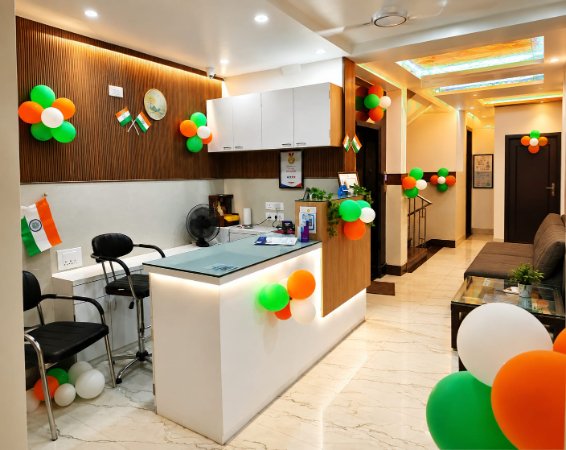
A calm, modern hospital environment

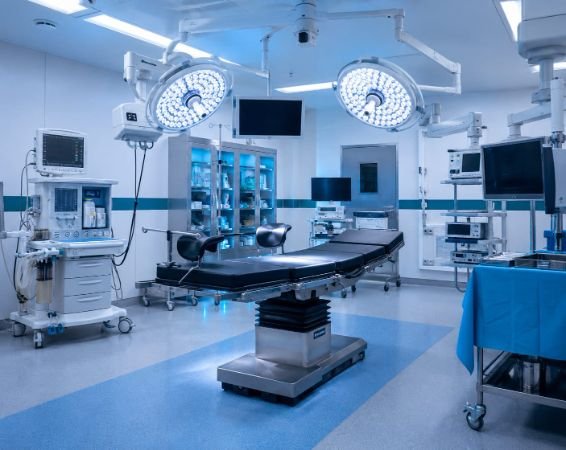
Pashupatinath Hospital offers comprehensive facilities designed to provide safe, efficient, and patient-focused care. The hospital features a modular operation theatre with advanced C-Arm technology, along with ultrasound and in-house pathology services. A well-equipped pharmacy, dedicated nursing staff, expert medical care, general wards, and critical care facilities ensure complete support for patients throughout their treatment journey.

Pashupatinath Hospital Gwalior Facilities — Operation Theatre and Modern Infrastructure

Have a question before your visit?

Reach out and our team will be happy to help.

Our Services

Urology & Kidney Care Services

Evaluation and treatment across urological and kidney-related conditions — explained clearly, so you know what to expect.

General Urology

Consultation and evaluation for a wide range of urological concerns.

General urology consultation covers evaluation of symptoms related to the kidneys, bladder, urinary tract and male reproductive system, helping identify the underlying cause and appropriate next steps.

  • Changes in urinary frequency or urgency
  • Pain or discomfort during urination
  • Lower abdominal or flank pain
  • Unexplained changes in urine appearance

Urological symptoms can stem from infection, stone disease, structural issues, or other conditions of the urinary tract — a proper evaluation helps narrow down the cause.

Diagnosis typically begins with a detailed clinical history and examination, followed by relevant tests as advised by the consulting urologist.

Treatment is planned individually based on the diagnosis, ranging from medical management to further specialist procedures where required.

If urinary symptoms persist, recur, or affect daily life, a specialist evaluation is recommended rather than self-treatment.

Do I need a referral to consult a urologist? No — you can book a consultation directly.

Is the first visit only a consultation? Yes, the first visit is typically a clinical evaluation; further tests are advised as needed.

Book Consultation

Kidney Stone Management

Evaluation and treatment planning for kidney stone conditions.

Kidney stones are a common urological condition. We evaluate stone size, location and symptoms to plan an appropriate treatment approach.

  • Sharp pain in the back, side or lower abdomen
  • Pain that comes in waves
  • Blood in urine
  • Nausea associated with pain episodes

Stone formation can be influenced by hydration levels, diet, metabolic factors and individual predisposition.

Diagnosis is based on clinical evaluation together with relevant imaging as advised by the specialist.

Depending on stone size and symptoms, management may range from monitoring and medical therapy to further procedures — discussed individually with each patient.

Sudden severe pain, blood in urine, fever, or difficulty passing urine warrant prompt specialist evaluation.

Can all kidney stones be managed without surgery? It depends on stone size, location and symptoms — your specialist will advise the right approach after evaluation.

Book Consultation

Prostate Care

Assessment and management of prostate-related symptoms.

Prostate-related symptoms are common, especially with age, and a specialist evaluation can identify the cause and appropriate care path.

  • Frequent urination, especially at night
  • Weak or interrupted urine stream
  • Difficulty starting urination
  • A feeling of incomplete bladder emptying

Prostate symptoms can relate to enlargement, inflammation or other prostate conditions — evaluation helps determine the cause.

Assessment typically involves a clinical history, examination and relevant tests as advised by the urologist.

Management is tailored to the diagnosis and may involve lifestyle guidance, medical therapy, or further specialist care.

Persistent urinary changes after age 40, or any noticeable change in urinary pattern, are good reasons to seek evaluation.

Are prostate symptoms always serious? Not necessarily, but they should always be evaluated by a specialist rather than ignored.

Book Consultation

Bladder Problems

Diagnosis and care for bladder function and related conditions.

Bladder-related issues can affect daily comfort and routine. We evaluate symptoms to understand the underlying bladder condition.

  • Urinary urgency or leakage
  • Pelvic or lower abdominal discomfort
  • Frequent urination in small amounts

Bladder symptoms may relate to infection, irritation, or functional issues affecting bladder control.

Diagnosis is based on clinical history and examination, with further tests as advised.

Treatment depends on the specific diagnosis and is discussed individually with each patient.

Persistent bladder discomfort, leakage, or urgency affecting daily life should be evaluated.

Book Consultation

Urinary Tract Conditions

Evaluation of urinary tract symptoms and infections.

Urinary tract conditions range from infections to structural concerns. Evaluation helps determine the right course of care.

  • Burning sensation during urination
  • Cloudy or strong-smelling urine
  • Lower abdominal discomfort

Diagnosis typically involves clinical assessment and relevant tests, with treatment planned according to findings.

Recurring symptoms, fever, or symptoms that don't resolve should be evaluated by a specialist.

Book Consultation

Male Urological Health

Focused consultation for male urological concerns.

Dedicated consultation for male urological health concerns, addressed with clinical care and patient comfort in mind.

Any persistent or concerning urological symptom is worth a confidential specialist consultation.

Book Consultation

Kidney Care

Kidney health evaluation, function assessment and guidance.

General assessment of kidney health, including symptom review and guidance on next steps.

Evaluation of kidney function as clinically indicated, with guidance based on findings.

Patient guidance and care planning related to kidney health concerns, provided within the scope of our urology-focused practice. Any advanced nephrology needs are guided appropriately.

Book Consultation

Not sure which service you need?

Book a consultation and our specialist will guide you to the right care.

Kidney Health Blog

Kidney health information, explained clearly

Educational information on chronic kidney disease, CKD stages, testing, treatment, and kidney-friendly Indian meal planning.

CKD & kidney healthCKD stagesKidney-friendly diet
Kidney health illustration showing kidney function and health monitoring
Patient education
Illustration about chronic kidney disease and kidney healthCKD & Kidney Health
Kidney Health Chronic Kidney Disease
Article 01

Chronic Kidney Disease (CKD): Symptoms, Causes, Diagnosis and Treatment

Chronic kidney disease is a long-term condition in which the kidneys are damaged or do not work as well as they should. CKD often develops gradually, and many people have few or no symptoms early on.

Why early awareness matters

CKD can be present without obvious symptoms. Kidney function and kidney damage are assessed with blood and urine testing, so people with relevant risk factors should discuss appropriate testing with a healthcare professional.

What do the kidneys do?

The kidneys help remove waste and extra water, support red-blood-cell production, keep minerals in balance, help regulate blood pressure, and support bone health. When kidney function stays impaired for three months or more, it may meet the definition of CKD.

Signs and symptoms

Early CKD may cause no noticeable symptoms. When symptoms appear, they can include:

  • Foamy urine
  • Urination that becomes more or less frequent than usual
  • Dry or itchy skin
  • Tiredness or low energy
  • Nausea or reduced appetite
  • Unintentional weight loss

More advanced disease can be associated with difficulty concentrating, swelling of the limbs or feet, muscle aches or cramps, shortness of breath, vomiting, and sleep problems. Symptoms alone cannot confirm CKD; testing is required.

Common risk factors and causes

Common risk factors

  • Diabetes
  • High blood pressure
  • Heart disease or heart failure
  • Obesity
  • Older age
  • Family history of CKD or kidney failure
  • Previous acute kidney injury
  • Smoking or tobacco use
  • Heavy alcohol use

Other causes

  • Glomerular diseases
  • Inherited conditions such as polycystic kidney disease
  • Autoimmune disease such as lupus nephritis
  • Severe infections such as sepsis or HUS
  • Kidney cancer
  • Kidney stones
  • Long-lasting urinary tract infections
  • Hydronephrosis

How doctors describe CKD

Doctors generally consider three parts of kidney status: the CKD stage based mainly on eGFR, the amount of albumin in the urine measured with uACR, and the likely cause of CKD. Together, these help guide care and follow-up.

Possible complications

As CKD progresses, the risk of complications can increase. Examples include heart disease or stroke, high blood pressure, anemia, metabolic acidosis, mineral and bone disorders, high potassium, and kidney failure.

How CKD is diagnosed

Evaluation usually starts with two tests:

  1. eGFR: a blood-test-based estimate of how well the kidneys filter waste.
  2. uACR: a urine test that measures albumin relative to creatinine and helps identify kidney damage.

An eGFR below 60 and/or a uACR above 30, persisting for three months or longer, may indicate CKD. Depending on the situation, doctors may also use ultrasound, CT, MRI, urinalysis, or kidney biopsy.

Treatment and long-term management

CKD treatment depends on the stage, test results, underlying cause, and other health conditions. The goals include managing the cause, slowing further loss of kidney function, reducing cardiovascular risk, and treating complications.

  • Medications may be used for blood pressure, kidney protection, cardiovascular risk, or CKD complications, depending on individual needs.
  • Some pain medicines, especially NSAIDs, can be harmful to the kidneys and should be discussed with a clinician.
  • Nutrition needs may change according to CKD stage, blood pressure, diabetes, lab results, and complications.
  • A kidney dietitian can help decide whether sodium, potassium, phosphorus, calcium, protein, or fluid intake needs adjustment.
  • Regular physical activity can support kidney and cardiovascular health when it is safe for the individual.

Preparing for a kidney-care appointment

Bring recent laboratory reports, a current list of medicines and supplements, and questions about kidney function. Useful questions include your eGFR and uACR values, CKD stage, likely cause, how kidney function has changed over time, testing frequency, medication safety, diet and drink changes, and whether a kidney specialist is needed.
This article is for general educational purposes and does not replace diagnosis or medical advice from a qualified healthcare professional.
Source used for factual reference: National Kidney Foundation — Chronic Kidney Disease (CKD). Page checked September 2026; content above is adapted and reorganized for this hospital website rather than reproduced verbatim.
Illustration explaining chronic kidney disease stagesCKD Staging & eGFR
CKD Stages eGFR & uACR
Article 02

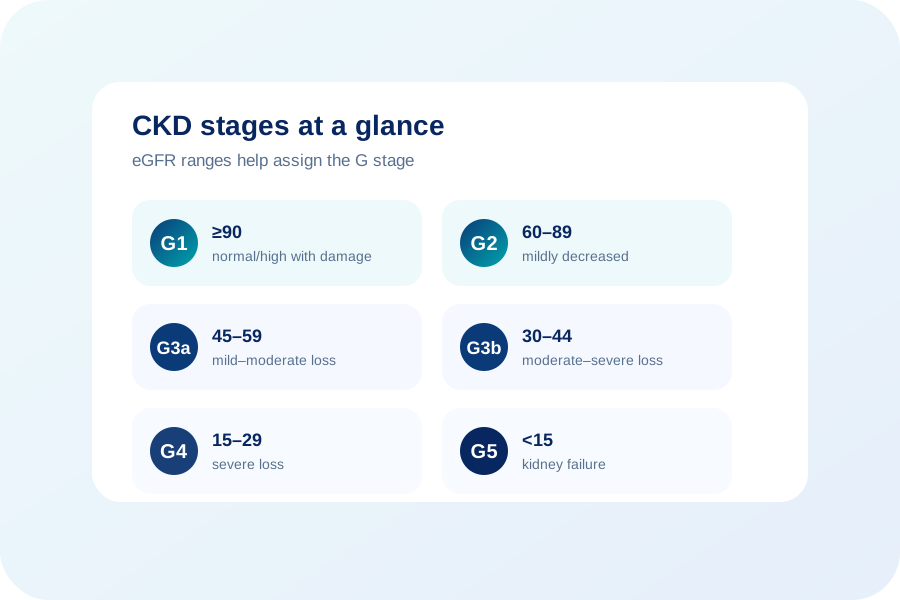
Stages of Chronic Kidney Disease: G1 to G5

CKD is commonly staged using estimated glomerular filtration rate (eGFR), while the urine albumin-creatinine ratio (uACR) adds information about kidney damage and future risk.

Two tests help build the picture

eGFR helps show how well the kidneys filter waste and is used to assign a G stage. uACR shows how much albumin is present in urine and helps describe the A category. Persistent abnormalities generally need confirmation over three months or more when evaluating chronic disease.

StageWhat it meanseGFR (mL/min/1.73 m²)Key point
G1Normal or high filtration with evidence of kidney damage90 or higherKidney damage is still required for the CKD diagnosis.
G2Mildly decreased filtration with evidence of kidney damage60–89Kidney damage is still required for the CKD diagnosis.
G3aMild to moderate loss of kidney function45–59Persistent reduction for 3 months or more is relevant when determining CKD.
G3bModerate to severe loss of kidney function30–44Often an important stage for closer monitoring and management.
G4Severe loss of kidney function15–29Complications and treatment planning become increasingly important.
G5Kidney failureLess than 15Kidney replacement therapy such as dialysis may be relevant depending on the clinical situation.
G1 & G2eGFR may still be relatively high, but ongoing kidney damage is what makes these CKD stages.
G3a & G3bKidney filtration is moderately reduced, with two categories used to describe the degree of loss.
G4Severe reduction in filtration, with a higher likelihood of complications that need active management.
G5Kidney failure category; treatment planning may include dialysis or transplant evaluation as clinically appropriate.

Risk factors

Important CKD risk factors include diabetes, high blood pressure, cardiovascular disease, obesity, older age, family history, previous acute kidney injury, and tobacco use. CKD can occur at any age and may result from several contributing factors rather than one single cause.

What does eGFR actually tell you?

eGFR is an estimate, not a direct measurement of kidney function. A higher eGFR is generally better, but the number must be interpreted with the rest of the clinical picture. Repeated testing, uACR, the underlying cause, symptoms, medications, and other health conditions all matter when a clinician decides what the result means.

When to discuss your results

Bring your latest eGFR and uACR results to your appointment and ask what stage you are in, whether the results have changed over time, what may be causing the kidney problem, how often you should be retested, and whether a nephrologist or other specialist should be involved.

CKD staging is a clinical process. Do not determine your stage from a single laboratory value without professional interpretation and appropriate repeat testing.
Source used for factual reference: National Kidney Foundation — Stages of Chronic Kidney Disease (CKD). Stage thresholds and supporting explanations are adapted into this original hospital-site presentation.
Illustration of kidney-friendly Indian meal planningKidney-friendly Nutrition
Diet & Nutrition Indian Meals
Article 03

Kidney Disease Diet: Practical Indian Meal Planning

Kidney disease does not have one universal diet. Food choices may need to change according to kidney function, blood pressure, diabetes status, laboratory results, medications, and complications.

Personalization matters

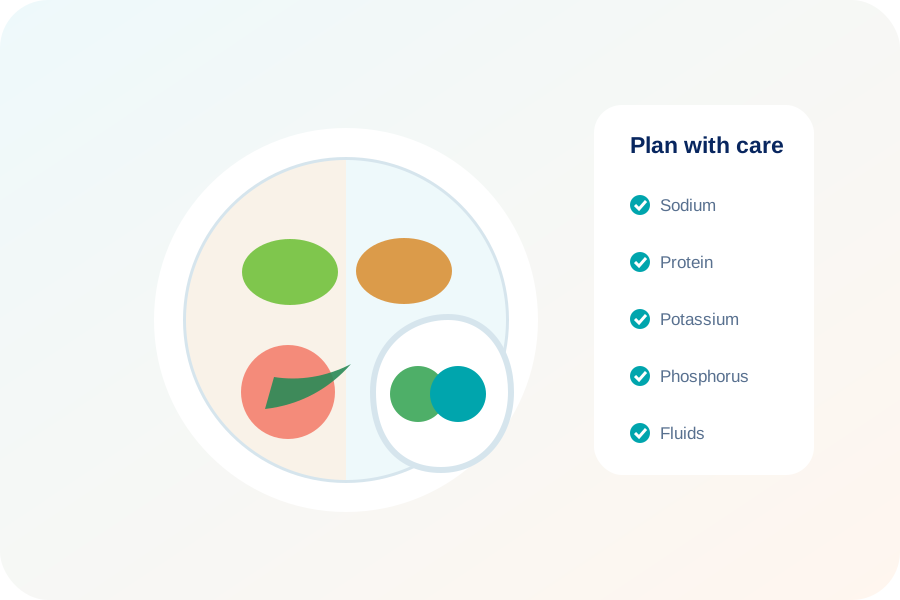
The amount of sodium, protein, potassium, phosphorus, fluid, and calories that is appropriate can vary from person to person. Use the information below as an educational starting point and confirm individual targets with a doctor or kidney dietitian.

Core principles

  • Manage sodium to help support blood pressure and reduce fluid-related problems when relevant.
  • Use protein in appropriate amounts rather than assuming more protein is always better.
  • Adjust potassium and phosphorus based on kidney function and laboratory results.
  • Maintain adequate calories to avoid unwanted weight loss or malnutrition.
  • Keep fluid intake aligned with clinical advice, especially when swelling or fluid retention is present.
  • Prefer fresh or home-prepared foods and limit heavily processed foods with high sodium or additives.

Indian foods that can fit a kidney-friendly plan

Examples described in the source material include dal, measured portions of paneer or low-salt curd, whole-grain or millet-based foods, cooked vegetables, and selected fruits in portions that fit the individual's potassium and phosphorus targets.

Food groupExamples from the source guidePlanning note
ProteinDal, low-fat paneer, low-salt curdUse measured portions and keep the amount appropriate for the stage and plan.
GrainsMillets and brown riceUse sensible portions and consider the total nutrient load of the meal.
VegetablesBaingan, bhindi, palak and other vegetablesChoose according to the potassium plan provided by the clinician.
DairyLow-fat milk or yogurt; paneer in moderationWatch phosphorus and potassium when restriction is prescribed.
FruitsExamples include apples, berries and pomegranate in controlled portionsFruit choice and quantity should match the individual's potassium needs.

Foods that may need limiting

The source guide highlights common issues such as highly salted pickles and packaged snacks, heavily processed foods, fried foods, and high-potassium or high-phosphorus choices when laboratory results or clinician instructions call for restriction. The appropriate limit depends on the person's kidney function and test results.

Sample 7-day Indian meal plan

These examples are illustrative, not prescriptions. Portions and ingredients need to be adjusted for individual kidney function, diabetes, blood pressure, weight, laboratory results, and medical advice.

DayBreakfastLunchSnackDinner
1Vegetable oats upmaBrown rice, dal and vegetablesRoasted chanaChapati with mixed vegetables
2Besan chilla with herbsKabuli chana with roti and cucumberApple slicesDal, greens and millet chapati
3Moong dal khichdiRajma with a small portion of brown riceLow-salt buttermilkPaneer-curd curry with chapati
4Idli with low-salt sambarVegetable pulao with raitaGuava slicesWhole-grain roti with bhindi
5Poha with peas and peanuts, light on saltChana dal with millet rotiCustard with skim milkVegetable khichdi
6Besan and paneer stuffed chapatiMixed dal with riceFruit saladLow-salt paneer with vegetables
7Sprouted moong salad with lemonLow-oil dal tadka with chapatiLow-salt yogurtVegetable curry with millets

Key nutrients to monitor

NutrientWhy it mattersExample planning approach
SodiumRelevant to blood pressure and fluid balanceLimit added salt and highly processed foods; use herbs and other seasonings for flavor.
ProteinNeeded for body tissues and muscle, but excessive intake may not be appropriate for some CKD plansUse measured servings and spread protein across meals when advised.
PotassiumImportant for heart and muscle functionChoose foods and portions according to laboratory results and clinician advice.
PhosphorusConnected with bone and mineral balanceBe mindful of processed foods and phosphorus-rich choices when restriction is required.
CaloriesHelps maintain energy and nutritional statusDistribute energy through balanced meals rather than relying on highly processed foods.

Practical daily tips

  • Plan meals for the week before shopping.
  • Read nutrition labels and compare sodium between products.
  • Cook more often at home, using herbs, lemon, and other flavors instead of relying on salt.
  • Prepare simple foods in measured portions to make routine eating easier.
  • Discuss fluid targets before changing how much water, soup, tea, or other beverages you consume.

Common mistakes

  • Assuming a high-protein diet is automatically healthy for CKD.
  • Underestimating sodium in restaurant and packaged foods.
  • Ignoring potassium or phosphorus guidance from laboratory results.
  • Skipping meals or making very restrictive changes without professional guidance.
  • Treating one person's kidney diet as a universal plan for everyone.

Tracking progress

Depending on the treatment plan, clinicians may follow weight, blood pressure, swelling, eGFR, potassium, phosphorus, and other laboratory values. Tracking these over time can help determine whether dietary adjustments need to change.

Frequently asked questions

It is an individualized eating plan used to support nutrition and help manage factors such as sodium, protein, potassium, phosphorus, calories, and fluids according to kidney function and laboratory results.

Yes. Common foods such as dal, chapati, vegetables and dairy can fit many kidney-friendly meal plans when portions, salt, and mineral targets are adjusted appropriately.

No single restriction applies to everyone. The need and degree of restriction depend on kidney function, blood tests, medications and other clinical factors.

Protein needs vary with kidney stage, body size, nutritional status, activity and whether a person is receiving dialysis or other treatment. A clinician or kidney dietitian should set the target.

Many people with CKD benefit from reducing sodium, particularly when blood pressure or fluid retention is a concern, but the degree of restriction should be individualized.

Physical activity benefits many people, but the type and intensity should match the person's overall health, symptoms, blood pressure and clinician advice.

This article provides general education only. Kidney diets are highly individualized; consult a qualified doctor or registered dietitian before making major dietary changes.
Source used for factual reference: ManipalCigna — Kidney Disease Diet. The meal examples, nutrient themes and practical tips have been reorganized and paraphrased for this hospital website rather than copied verbatim.
Kidney Function Tool · eGFR

Estimated GFR calculators for adults & pediatrics

Use this page to estimate glomerular filtration rate (eGFR) using race-free adult CKD-EPI equations or pediatric CKiD equations. The result is an estimate—not a direct measurement of kidney function.

Adults · 18+ CKiD U25 · 1–25 years CKiD bedside · 1–16 years
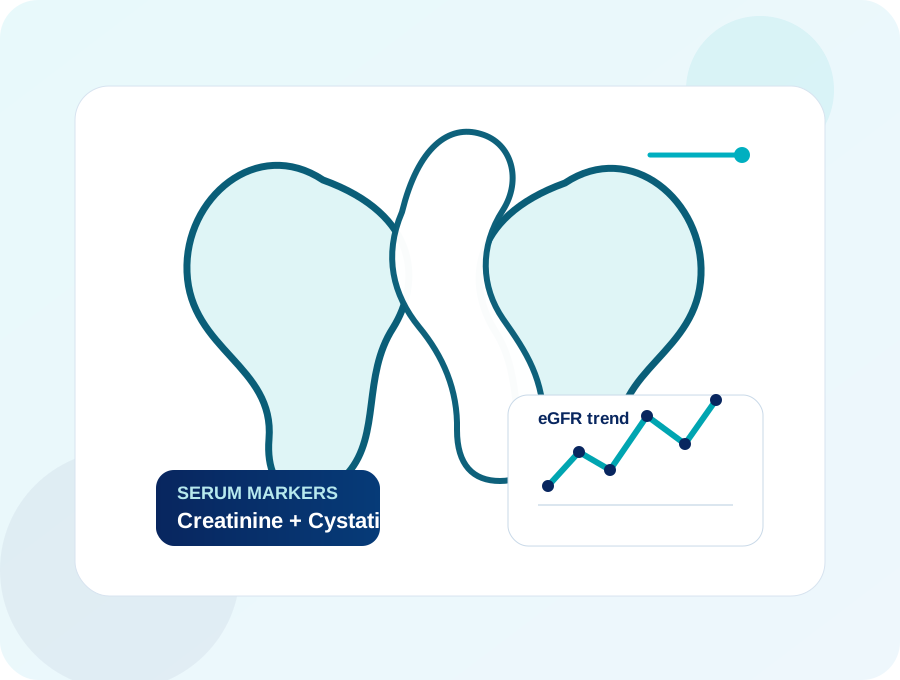
Medical illustration of a kidney, blood sample and eGFR calculation
Race-free eGFR equations
Use trendsSerial eGFR values can be more informative than one isolated estimate.
Two markers can helpWhen available, creatinine plus cystatin C can provide a more accurate estimate.
Clinical context mattersAn eGFR number is an estimate and should be interpreted with other clinical information.
Calculators
Adult eGFR CalculatorCKD-EPI 2021

Estimated Glomerular Filtration Rate (eGFR) Calculator for Adults

NIDDK’s adult calculator uses race-free CKD-EPI equations and is intended for adults age 18 and older. Enter creatinine, cystatin C, or both. When both are available, the combined creatinine–cystatin C equation is used.

mg/dL · minimum 0.001
mg/L · minimum 0.001
Years · age must be 18 or older
Result
—
mL/min/1.73 m²
For ages 18–25: NIDDK recommends referencing both the adult calculator and the pediatric CKiD U25 calculator and comparing the estimates.
  • Inputting both creatinine and cystatin C can provide a more accurate estimate than either marker alone.
  • Creatinine may be measured from serum or plasma.
  • eGFR equations become less accurate at higher GFR values.

Equations used

2021 CKD-EPI creatinine equation: age, sex, and standardized serum creatinine.

eGFR = 142 × min(SCr/κ,1)α × max(SCr/κ,1)−1.200 × 0.9938Age × 1.012 (if female)

2021 CKD-EPI creatinine–cystatin C equation: age, sex, standardized serum creatinine, and standardized cystatin C.

eGFR = 135 × min(SCr/κ,1)α × max(SCr/κ,1)−0.544 × min(Scys/0.8,1)−0.323 × max(Scys/0.8,1)−0.778 × 0.9961Age × 0.963 (if female)

2012 CKD-EPI cystatin C equation: age, sex, and standardized serum cystatin C.

eGFR = 133 × min(Scys/0.8,1)−0.499 × max(Scys/0.8,1)−1.328 × 0.996Age × 0.932 (if female)

Important limitations

The eGFR value is an estimate and not a precise measurement of kidney function. The equations are affected by factors that influence creatinine or cystatin C independently of GFR. When clinical decisions are sensitive to the exact value, healthcare professionals should interpret the result in the appropriate clinical context.

Source: NIDDK — eGFR Calculators for Adults & Pediatrics · Adult eGFR equations · Source page last reviewed May 2024.
CKiD U25Pediatric & Young Adult

CKiD U25 eGFR Calculator for Children, Adolescents & Young Adults

The CKiD U25 calculator can be used for ages 1 to 25. It can estimate eGFR from creatinine, cystatin C, or both. When both markers are entered, the two single-marker estimates are averaged.

mg/dL · minimum 0.001
mg/L · minimum 0.001
Years · age must be from 1 through 25
Result
—
mL/min/1.73 m²
For ages 18–25: NIDDK recommends comparing the CKiD U25 result with the adult calculator result.
  • The U25 equations do not require race-based modifiers.
  • The creatinine estimate uses height plus a sex- and age-dependent coefficient.
  • The cystatin C estimate uses a sex- and age-dependent coefficient.
  • When both are available, the averaged creatinine–cystatin C result is preferred within the U25 framework.

CKiD U25 creatinine equation

eGFR = κ × (height in meters / serum creatinine in mg/dL)

CKiD U25 cystatin C equation

eGFR = κ × (1 / cystatin C in mg/L)

CKiD U25 creatinine–cystatin C equation

eGFR = (U25 eGFRcr + U25 eGFRcys) / 2
Age bandFemale κ for creatinineMale κ for creatinine
1 to <12 years36.1 × 1.008(Age−12)39.0 × 1.008(Age−12)
12 to <18 years36.1 × 1.023(Age−12)39.0 × 1.045(Age−12)
18 to 25 years41.450.8
Age bandFemale κ for cystatin CMale κ for cystatin C
1 to <12 years79.9 × 1.004(Age−12)87.2 × 1.011(Age−15)
12 to 15 years79.9 × 0.974(Age−12)87.2 × 1.011(Age−15)
15 to <18 years79.9 × 0.974(Age−12)87.2 × 0.960(Age−15)
18 to 25 years68.377.1
Source: NIDDK — eGFR Calculators for Adults & Pediatrics · Pediatric eGFR equations · Source page last reviewed May 2024.
2009 CKiD BedsideChildren · 1–16 years

2009 CKiD “Bedside” eGFR Calculator

The older CKiD bedside equation uses serum creatinine and height to estimate GFR in children ages 1 to 16. NIDDK notes that it remains commonly used in routine clinical practice, while CKiD U25 is the preferred calculator across a broader pediatric and young-adult age range.

mg/dL · minimum 0.001
Minimum 0.1 cm
Informational validation only · 1 to 16 years
Result
—
mL/min/1.73 m²
Use only for children ages 1–16. The actual GFR may be higher or lower than the estimate, and trends over time can be more informative than a single point estimate.

Conventional units

eGFR = 41.3 × (height in meters / serum creatinine in mg/dL)

SI units

eGFR = 36.5 × (height in centimeters / serum creatinine in µmol/L)
Source: NIDDK — eGFR Calculators for Adults & Pediatrics · Pediatric eGFR equations · Source page last reviewed May 2024.

About eGFR results

Regardless of the equation used, eGFR is an estimate and is not a precise measurement of kidney function. NIDDK notes that most estimating equations become less accurate as GFR increases. For clinical interpretation, the broader picture—including symptoms, medical history, laboratory findings, and when appropriate urine albumin measurements—matters.

For people at risk for kidney disease, NIDDK also recommends considering urine albumin and the urine albumin-to-creatinine ratio as part of a more complete assessment.

Medical information notice: This calculator is provided for educational use and is not a diagnosis or a substitute for professional medical advice. Do not change medicines or treatment based only on a calculator result. Discuss results with a qualified healthcare professional.
NIDDK source: eGFR Calculators for Adults & Pediatrics · Last reviewed by NIDDK May 2024.
Our Specialists

Meet Our Doctors

Meet our dedicated specialists who combine clinical expertise, advanced treatments, and compassionate care to support every patient’s health.

Dr. Deepanshu Sharma — Consultant Urologist at Pashupatinath Hospital Gwalior Pashupatinath Gwalior

Dr. Deepanshu Sharma

Dr. Deepanshu Sharma

Specialized in the diagnosis and treatment of a wide range of urological and kidney-related conditions, with a focus on personalized, advanced, and patient-centered care.

Dr. Srishti Sharma — Consultant Anaesthetist at Pashupatinath Hospital Gwalior Pashupatinath Gwalior

Dr. Srishti Sharma

Consultant Anaesthetist

Experienced in providing safe and precise anaesthesia care, with a focus on patient comfort, effective pain management, and ensuring optimal care throughout surgical procedures.

Ready to consult one of our specialists?

Book your appointment with your preferred doctor and select a convenient date and time that works for you.

Doctor Profile

Consultant Urologist

Dr. Deepanshu Sharma — Consultant Urologist (MBBS, MS, M.Ch Urology), Pashupatinath Hospital Gwalior
Urology & Kidney Care

Dr. Deepanshu Sharma

Specialized in the diagnosis and treatment of a wide range of urological and kidney-related conditions, with a focus on personalized, advanced, and patient-centered care.

·

Qualifications

MBBS, MS, M.Ch (Urology)

·

Experience

10+ Years of Experience

·

Areas of Expertise

Urological Problems, Prostate & Urinary Disorders, Kidney Disorder

·

Available Days & Time

Monday to Saturday - Morning (11:00 - 2:00 PM), Evening (5:00 - 8:00PM)

Sunday - Morning (11:00 - 2:00 PM)

Book a consultation

Our team will confirm your appointment time.

Doctor Profile

Consultant Anaesthetist

Dr. Srishti Sharma — Consultant Anaesthetist (MBBS, MD Anaesthesiology), Pashupatinath Hospital Gwalior
Anaesthesiology

Dr. Srishti Sharma

Experienced in providing safe and precise anaesthesia care, with a focus on patient comfort, effective pain management, and ensuring optimal care throughout surgical procedures.

·

Qualifications

MBBS, MD (Anaesthesiology)

·

Experience

10+ Years of Experience

·

Areas of Expertise

General & Regional Anaesthesia, Critical Care Anaesthesia

·

Available Days & Time

Expert anaesthetist care available round the clock for complex and critical surgeries.

Book a consultation

Our team will confirm your appointment time.

Book an Appointment

Request Your Consultation

Fill in a few details and our team will contact you to confirm your appointment.

1
2
3
4
5
DepartmentDoctorDateTimeYour Info

Select Department / Specialty

Select Doctor

Select Preferred Date

Select Preferred Time

Patient Information

This is an appointment request, not a confirmed booking. Our team will reach out by phone or WhatsApp to confirm your date and time.
Get in Touch

Contact Pashupatinath Hospital

Reach out by phone, WhatsApp, or visit us in Gwalior. We're happy to help with your queries.

Address

162 Sharda Vihar, Near Royal Enfield Showroom, New High Court Road, Gwalior, Madhya Pradesh, India

Get Directions

Phone

Call us directly for appointment bookings, or to schedule a consultation with our experienced urology specialists.

Call Us : +91 (9425449584)

WhatsApp

Message us for quick queries and appointment requests.

Chat on WhatsApp
Send an Enquiry

We'll get back to you

Have a question before booking? Send us a quick message and our team will respond you soon.

Prefer to book directly?

Use our appointment form to request a consultation.

Legal

Privacy Policy

Legal

Terms & Conditions

Call WhatsApp Book